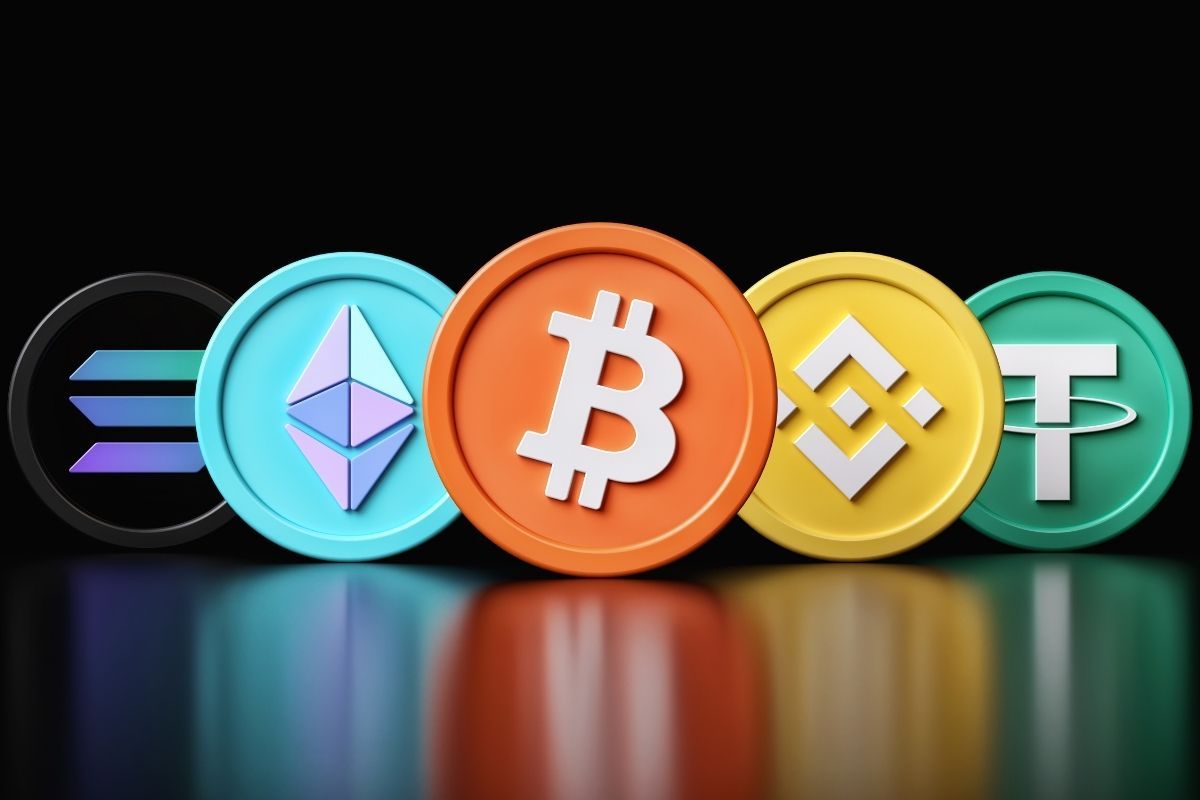

Cryptocurrency, often called crypto, is a digital form of money that operates without a central authority like a bank or government. Instead, it uses blockchain technology to record transactions securely and transparently. Since the creation of Bitcoin in 2009, crypto has grown into a global financial movement, attracting investors, businesses, and developers worldwide.
Today, cryptocurrencies are used for trading, investing, online payments, decentralized finance (DeFi), and even digital art through NFTs. As technology advances, crypto continues to reshape the financial landscape.
How Cryptocurrency Works
Cryptocurrency runs on blockchain technology, which is a decentralized digital ledger.
Blockchain Technology Explained
A blockchain is a chain of blocks that contain transaction data. These blocks are verified by a network of computers called nodes. Once confirmed, transactions are permanently recorded and cannot be changed.
This system ensures:
-
Transparency
-
Security
-
Decentralization
-
Reduced fraud
Unlike traditional banking systems, crypto transactions happen directly between users without intermediaries.
Mining and Validation
Some cryptocurrencies, like Bitcoin, use a process called mining. Miners solve complex mathematical problems to validate transactions and secure the network. In return, they receive new coins as rewards.
Other cryptocurrencies use alternative methods such as Proof of Stake (PoS), which requires users to lock up coins to help validate transactions.
Popular Types of Cryptocurrency
There are thousands of cryptocurrencies available today, but a few dominate the market.
Bitcoin (BTC)
Bitcoin is the first and most well-known cryptocurrency. It is often referred to as “digital gold” because of its limited supply and store-of-value properties.
Ethereum (ETH)
Ethereum goes beyond digital payments. It allows developers to create smart contracts and decentralized applications (dApps), making it the foundation of many blockchain projects.
Altcoins and Stablecoins
Altcoins are alternative cryptocurrencies to Bitcoin, such as Solana, Cardano, and XRP. Stablecoins, like USDT and USDC, are designed to maintain stable value by being pegged to traditional currencies like the US dollar.
Benefits of Cryptocurrency
Crypto offers several advantages compared to traditional financial systems.
Decentralization and Financial Freedom
Cryptocurrency removes the need for banks and gives users full control over their assets. This is especially valuable in regions with unstable financial systems.
Fast and Global Transactions
Crypto transactions can be sent anywhere in the world within minutes, often with lower fees than traditional banking systems.
Investment Opportunities
Many investors view crypto as a high-growth asset. While prices can be volatile, the potential for long-term gains attracts both retail and institutional investors.
Risks and Challenges of Crypto
While crypto offers many benefits, it also comes with risks.
Market Volatility
Cryptocurrency prices can change dramatically in short periods. This volatility creates opportunities but also significant risks.
Regulatory Uncertainty
Governments around the world are still developing regulations for crypto. Changes in policy can impact market prices and investor confidence.
Security Concerns
Although blockchain technology is secure, crypto exchanges and wallets can be targeted by hackers if not properly protected.
The Future of Cryptocurrency
The future of crypto looks promising as adoption continues to grow. Innovations such as decentralized finance, Web3, and blockchain-based applications are expanding the use cases for cryptocurrency beyond simple payments.
Major companies and financial institutions are integrating blockchain solutions, signaling that crypto may play a key role in the global economy.
Conclusion
Cryptocurrency is a revolutionary digital asset that operates on blockchain technology. It offers decentralization, global access, and financial innovation. While there are risks involved, crypto continues to evolve and shape the future of finance. Whether used for investment, payments, or technology development, crypto is transforming the way the world thinks about money.